
الأحرف العربية

- Description
- Curriculum
- Reviews
Benefits of Learning Arabic Letters in Detail
1.
Correct Understanding of the Quran
Arabic is the language of the Quran, the holy book of Islam. Learning the Arabic letters allows for accurate reading and recitation of the Quran, leading to a deeper understanding of its meanings and teachings.
2.
Ability to Read and Write Fluently
Knowing the Arabic alphabet is the foundation for reading and writing in Arabic. Each letter has specific shapes and sounds, and mastering them enables a person to read books, articles, and write effectively in Arabic.
3.
Improved Pronunciation
Arabic contains unique sounds that do not exist in many other languages (such as ض, ط, ظ, and ص). Learning the letters helps in mastering these sounds, leading to accurate pronunciation and better communication.
4.
Foundation for Learning Arabic Grammar
Understanding the letters and their characteristics (such as points of articulation and vowel signs) is essential for learning Arabic grammar, morphology, and syntax, which are crucial for advanced language study.
5.
Access to Arabic Resources and Culture
Once you know the letters, you can access a wide range of Arabic literature, media, and educational materials. This opens the door to exploring the rich cultural, historical, and scientific heritage of the Arabic-speaking world.
6.
Enhanced Communication with Arabic Speakers
Being able to recognize and write Arabic letters helps in everyday communication with native speakers, whether for travel, business, or personal relationships.
7.
Personal and Intellectual Growth
Learning a new writing system and language challenges the brain and enhances cognitive skills. It also broadens cultural awareness and appreciation, especially of the Islamic and Middle Eastern heritage.
8.
Supports Further Language Learning
Many languages, such as Persian, Urdu, and Kurdish, use modified versions of the Arabic script. Learning Arabic letters can make it easier to learn these languages later on.
9.
Spiritual and Religious Development
For Muslims, learning Arabic letters is a step toward connecting more deeply with Islamic rituals, such as daily prayers and reciting the Quran, which are performed in Arabic.
In Summary
Learning Arabic letters is the first and most essential step in mastering the Arabic language. It provides the tools to access religious texts, cultural treasures, and modern resources. Whether for spiritual growth, academic purposes, or personal enrichment, learning the Arabic alphabet is a valuable and rewarding skill.
- 1
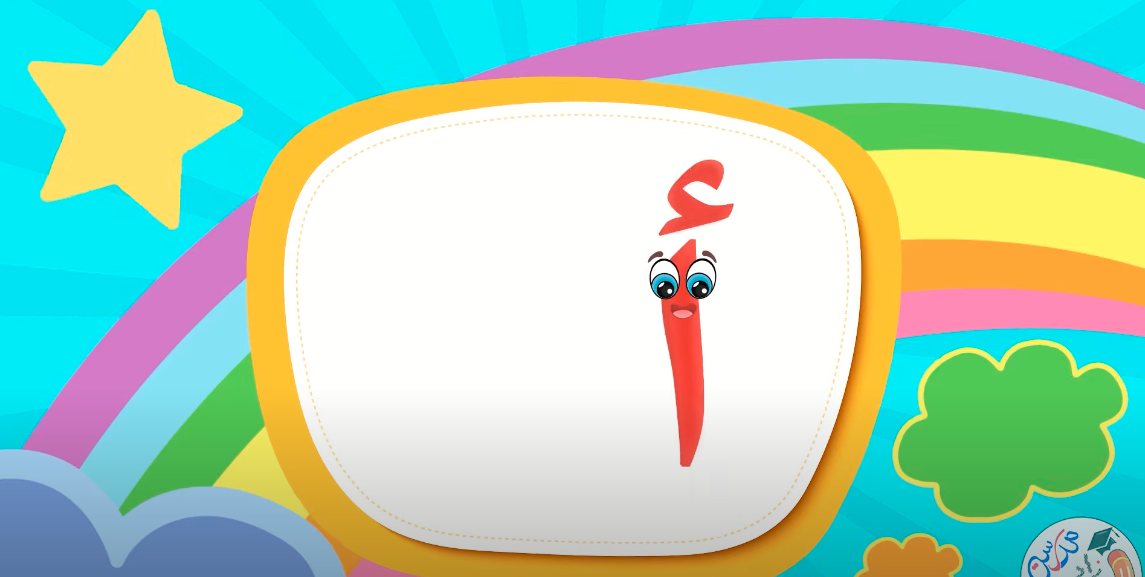
 حرف الألف
حرف الألف الحروف العربية للأطفال
- 2 حرف الباء
حرف الباء الحروف العربية للأطفال
- 3 حرف التاء
حرف التاء الحروف العربية للأطفال
- 4 حرف الثاء
حرف الثاء الحروف العربية للأطفال
- 5 حرف الجيم
حرف الجيم حروف الهجاء للأطفال
- 6 حرف الحاء
حرف الحاء الحروف العربية للأطفال
- 7 حرف الخاء
حرف الخاء الحروف العربية للأطفال
- 8 حرف الدال
حرف الدال الحروف العربية للأطفال
- 9 حرف الذال
حرف الذال الحروف العربية للأطفال
- 10 حرف الراء
حرف الراء الحروف العربية للأطفال
- 11 حرف الزاي
حرف الزاي الحروف العربية للأطفال
- 12 حرف السين
حرف السين الحروف العربية للأطفال
- 13 حرف الشين
حرف الشين الحروف العربية للأطفال
- 14 حرف الصاد
حرف الصاد الحروف العربية للأطفال
- 15 حرف الضاد
حرف الضاد الحروف العربية للأطفال
- 16 حرف الطاء
حرف الطاء الحروف العربية للأطفال
- 17 حرف الظاء
حرف الظاء الحروف العربية للأطفال
- 18 حرف العين
حرف العين الحروف العربية للأطفال
- 19 حرف الغين
حرف الغين الحروف العربية للأطفال
- 20 حرف الفاء
حرف الفاء الحروف العربية للأطفال
- 21 حرف القاف
حرف القاف الحروف العربية للأطفال
- 22 حرف الكاف
حرف الكاف الحروف العربية للأطفال
- 23 حرف اللام
حرف اللام الحروف العربية للأطفال
- 24 حرف الميم
حرف الميم الحروف العربية للأطفال
- 25 حرف النون
حرف النون الحروف العربية للأطفال
- 26 حرف الهاء
حرف الهاء الحروف العربية للأطفال
- 27 حرف الواو
حرف الواو الحروف العربية للأطفال
- 28 حرف الياء
حرف الياء الحروف العربية للأطفال
-
29
قراءة الحروف مع الحركت الثلاث
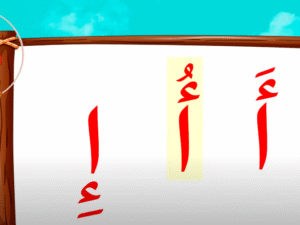
The lesson titled "قراءة الحروف مع الحركات الثلاث" focuses on teaching the Arabic alphabet letters combined with the three primary vowel marks: الفتحة (fatha), الضمة (damma), and الكسرة (kasra). These marks are essential for correct pronunciation and understanding of Arabic words.
Key Components of the Lesson:
-
Introduction to the Three Vowel Marks:
- الفتحة (Fatha): A small diagonal line placed above a letter, indicating a short "a" sound.
- الضمة (Damma): A small loop placed above a letter, representing a short "u" sound.
- الكسرة (Kasra): A small diagonal line placed below a letter, denoting a short "i" sound.
-
Combining Letters with Vowel Marks:
- Each Arabic letter is introduced with its corresponding vowel mark, demonstrating how the pronunciation changes with each mark.
- For example, the letter ب (baa) with:
- فتحة becomes بَ (ba)
- ضمة becomes بُ (bu)
- كسرة becomes بِ (bi)
-
Practical Application:
- The lesson includes exercises where students read and pronounce words formed by combining letters with different vowel marks.
- This practice helps in building a strong foundation for reading and understanding Arabic words accurately.
By mastering this lesson, learners can enhance their Arabic reading skills, ensuring correct pronunciation and comprehension of various words and sentences.
-
-
30
تعلم أسماء الحيوانات مع الحروف
The lesson titled "تعلم أسماء الحيوانات مع الحروف" focuses on teaching children the Arabic alphabet by associating each letter with the name of an animal that starts with that letter. This approach helps in reinforcing letter recognition and pronunciation through familiar and engaging examples.
Key Components of the Lesson:
-
Introduction to the Arabic Alphabet:
- Each Arabic letter is introduced with its corresponding animal name, aiding in memorization and understanding.
-
Association with Animal Names:
- For example, the letter "أ" (Alif) is associated with "أسد" (lion), and "ب" (Baa) with "بقرة" (cow).
-
Visual and Auditory Learning:
- Incorporating images and sounds of the animals enhances sensory engagement and aids in memory retention.
-
Interactive Activities:
- Activities such as matching letters to animal pictures or repeating animal names help reinforce learning.
By integrating the Arabic alphabet with animal names, this lesson provides a comprehensive and interactive approach to early literacy, making the learning process both educational and enjoyable for children.
-


Learn Arabic Letters – The Ultimate Beginner's Guide
What You’ll Learn:
- Recognize all 28 Arabic letters
- Write Arabic letters in different forms (isolated, beginning, middle, and end of a word)
- Pronounce letters correctly, including unique Arabic sounds
- Understand the basics of the Arabic script and direction
- Build a strong foundation for reading and writing Arabic
- No prior knowledge needed
- A notebook and pen (optional for writing practice)
- Device with internet access
Absolute Beginners:
- Individuals with zero exposure to Arabic script who want to learn from scratch
- Young children (ages 4+) beginning their literacy journey
- Adults seeking cognitive development through learning a new writing system